
Hair Transplant in India: Cost, Procedure, Benefits and Recovery Guide
Hair loss is a common concern for men and women, affecting confidence and personal appearance. If you are experiencing a receding hairline, thinning hair, or bald patches, you may be searching for an effective hair restoration solution. A hair transplant in India is one option for people who want to restore hair in areas affected by certain types of hair lossHair Transplant in India: Cost, Procedure & Benefits.
Before choosing a treatment, it is important to understand the hair transplant procedure, available techniques, expected results, recovery time, and overall hair transplant cost. Consulting a qualified medical professional can help you determine whether hair transplantation is suitable for your condition.
In this guide, we will explain everything you need to know about hair transplant surgery, FUE hair transplant, FUT hair transplant, hair restoration treatment, and how to choose the Hair Transplant in India: Cost, Procedure & Benefits right hair transplant clinic.
What Is a Hair Transplant?
A hair transplant is a surgical hair restoration procedure in which hair follicles are moved from a donor area, usually the back or sides of the scalp, to an area experiencing hair thinning or baldness.
The main goal of hair transplant surgery is to improve hair coverage and create a natural-looking hairline where appropriate. It is commonly considered for certain types of hereditary hair loss, although suitability depends on the individual’s medical history, hair loss pattern, and donor hair availability.
People searching for hair loss treatment, a baldness solution, or a permanent Hair Transplant in India: Cost, Procedure & Benefits hair restoration option may consider a hair transplant after receiving a professional evaluation.
However, a hair transplant does not prevent all future hair loss. Existing hair may continue to thin, so a doctor may recommend additional treatment or ongoing monitoring.
Types of Hair Transplant Procedures
There are different hair transplant techniques. The most appropriate option depends on the patient’s hair characteristics, goals, and the surgeon’s assessment.
1. FUE Hair Transplant
FUE hair transplant, or Follicular Unit Extraction, involves removing individual follicular units from the donor area and placing them into the recipient area.
Potential advantages include:
- Small extraction marks rather than one continuous linear scar.
- No need for a long strip of scalp to be removed.
- Flexibility in donor hair harvesting.
- Suitability for many people seeking hairline restoration.
FUE hair transplantation is widely discussed by people researching modern hair transplant techniques. However, the procedure still involves surgery and may cause scarring, infection, or other complications.
2. FUT Hair Transplant
FUT hair transplant, or Follicular Unit Transplantation, involves removing a strip of scalp from the donor area. Follicular units are then prepared and transplanted into the areas requiring hair restoration.
Possible advantages include efficient graft harvesting in suitable candidates and the ability to preserve surrounding donor hair.
FUT usually leaves a linear scar, which may be more visible with very short hairstyles. A qualified surgeon can explain whether FUT or FUE is more appropriate for your needs.
FUE vs FUT Hair Transplant: Which Is Better?
Neither method is automatically the best choice for everyone. The right hair transplant technique depends on the patient’s donor area, scalp condition, hair loss pattern, hairstyle preferences, and treatment goals.
A consultation with an experienced, appropriately qualified hair transplant surgeon can help you compare FUE vs FUT hair transplant options.
What Is the Cost of a Hair Transplant in India?
Hair transplant cost in India varies according to several factors. There is no single price that applies to every patient or clinic.
Factors that can influence the total hair transplant price include:
- Number of grafts required.
- Hair transplant technique, such as FUE or FUT.
- Surgeon’s qualifications and experience.
- Clinic facilities and medical team.
- Complexity of the procedure.
- Preoperative assessment and postoperative follow-up.
Some clinics charge per graft, while others offer treatment packages. Before comparing hair transplant packages, ask what is included in the quoted price.
If you are searching for hair transplant cost in India, hair transplant price per graft, affordable hair transplant surgery, or hair transplant consultation fees, request an individualized estimate from a qualified clinic.
Remember that the lowest hair transplant price Hair Transplant in India: Cost, Procedure & Benefits does not necessarily represent the best value. Surgeon qualifications, patient safety, treatment planning, and appropriate aftercare should be important parts of your decision.
Who Is a Suitable Candidate for Hair Transplant Surgery?
Hair transplant surgery may be considered for people experiencing certain forms of permanent hair loss, including hereditary pattern baldness.
Potential candidates may have:
- A receding hairline.
- Male-pattern baldness.
- Female-pattern hair loss in selected cases.
- Stable areas of hair loss.
- Sufficient healthy donor hair.
- Realistic expectations about the results.
Not everyone experiencing hair loss is a suitable candidate. Sudden hair shedding, active scalp disease, some forms of alopecia, or insufficient donor hair may require different treatment.
A dermatologist or qualified hair transplant surgeon should assess the cause of hair loss before recommending surgery.
Hair Transplant Procedure: Step-by-Step Guide for Hair Transplant in India: Cost, Procedure & Benefits
Understanding the hair transplant process can help patients prepare for their consultation and recovery.
Step 1: Initial Consultation
The surgeon evaluates your scalp, medical history, hair loss pattern, donor area, and expectations. The consultation helps determine whether hair transplant surgery is appropriate.
Step 2: Treatment Planning
The medical team plans the hairline and recipient areas. The number of grafts and the proposed technique depend on the patient’s individual needs.
Step 3: Donor Hair Extraction
Depending on the selected procedure, follicular units are extracted individually or prepared from a strip of scalp.
Step 4: Graft Placement
The prepared follicles are placed into the recipient area with attention to the intended hairline, direction, and distribution.
Step 5: Aftercare and Follow-Up
The clinic provides instructions for scalp care, washing, medication when prescribed, and follow-up appointments.
Following the surgeon’s postoperative instructions is important for recovery and for monitoring potential complications.
Hair Transplant Recovery Time and Results
Hair transplant recovery time varies from person to person and depends on the procedure and individual healing.
Mild swelling, tenderness, redness, or scabbing may occur during the early recovery period. Patients should follow their surgeon’s instructions about washing the scalp, exercise, work, and other daily activities.
Transplanted hair commonly sheds during the first few weeks. This can be a normal part of the hair restoration process and does not necessarily mean the transplant has failed Hair Transplant in India: Cost, Procedure & Benefits.
New growth generally develops gradually over several months. Visible improvement often becomes more apparent between six and twelve months, although the timeline varies and final assessment may take longer.
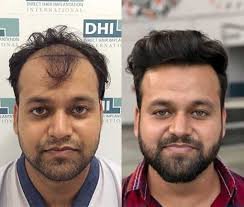
People searching for hair transplant before and after results should remember that outcomes differ according to donor hair quality, the cause of hair loss, surgical planning, and individual healing.
A reputable clinic should explain realistic expectations rather than promise guaranteed density or identical results for every patient.
Benefits of Hair Transplant Surgery
When performed on a suitable candidate by a qualified surgical team, hair transplantation may offer several benefits:
- Improved hair coverage in selected areas.
- A more natural-looking hairline when appropriately planned.
- Use of the patient’s own hair follicles.
- Potentially long-lasting growth from successfully transplanted follicles.
- Greater styling flexibility once recovery is complete.
The results depend on the patient’s circumstances. A hair transplant cannot guarantee a particular appearance, and additional hair loss may occur in untreated areas.
Possible Risks and Side Effects of Hair Transplant
Hair transplant surgery is a medical procedure and carries potential risks. These may include bleeding, infection, swelling, pain, scarring, temporary numbness, folliculitis, shock loss, and unsatisfactory cosmetic results.
In some cases, graft survival may be lower than expected or the hairline may not look as natural as intended.
Before undergoing hair transplant surgery, ask the surgeon about potential complications, the team’s qualifications, postoperative support, and what happens if the result does not meet expectations.
Avoid choosing a clinic based solely on discounts, promotional claims, or social media photographs.
How to Choose the Best Hair Transplant Clinic Hair Transplant in India: Cost, Procedure & Benefits
If you are searching online for the best hair transplant clinic, hair transplant surgeon, or hair restoration specialist, consider the following factors before making a decision.
Check surgeon qualifications: Verify the surgeon’s medical registration, relevant specialist training, and experience with hair transplantation.
Understand who performs the procedure: Ask which tasks are performed by the surgeon and which are performed by other members of the medical team.
Review treatment planning: The clinic should assess your donor area, hair loss pattern, medical history, and long-term needs before recommending surgeryHair Transplant in India: Cost, Procedure & Benefits.
Ask about safety and aftercare: Confirm that the clinic follows appropriate hygiene, surgical safety, and postoperative follow-up practices.
Discuss transparent pricing: Request a written estimate covering the procedure, medications where applicable, and follow-up care.
Look for realistic information: Be cautious of guaranteed results, unrealistic graft promises, or pressure to book immediately.
A thorough consultation can help you make a more informed decision about hair transplant treatment.
Hair Transplant in [Your City]: What Should You Know?
If you are looking for a hair transplant in [Your City], begin by comparing qualified surgeons and clinics serving your area. Review their medical credentials, consultation process, available techniques, and postoperative care.
Searches such as hair transplant clinic in [Your City], FUE hair transplant in [Your City], hair transplant cost in [Your City], and hair transplant surgeon near me can help you identify local options.
Before choosing a provider, arrange a consultation to discuss your hair loss concerns, expected results, treatment alternatives, and personalized cost estimate.
A local clinic should provide clear medical information and help you understand whether surgery is suitable for you.
Frequently Asked Questions About Hair Transplant
1. Is a hair transplant permanent?
Transplanted follicles can provide long-lasting hair growth, but results vary. Natural hair loss may continue in untreated areas, and some patients may need further treatment.
2. How much does a hair transplant cost in India?
The cost depends on the number of grafts, technique, surgeon, clinic facilities, and individual treatment requirements. A personalized consultation is the best way to obtain an accurate estimate.
3. Is FUE better than FUT?
FUE and FUT have different advantages and limitations. The best technique depends on donor hair, the patient’s preferences, treatment goals, and the surgeon’s assessment.
4. How long does hair transplant recovery take?
Early healing occurs over the first days and weeks, while visible hair growth develops over several months. Results are commonly assessed around six to twelve months or later, depending on the individual.
5. Is hair transplant surgery painful?
Local anaesthesia is generally used during the procedure. Some discomfort may occur during or after surgery. Your surgeon can explain pain management and what to expect.
6. Can women undergo hair transplant surgery?
Some women may be suitable candidates, but the underlying cause and pattern of hair loss must be evaluated first. A dermatologist or qualified surgeon can recommend appropriate options.
7. What should I do before getting a hair transplant?
Arrange a medical consultation, discuss your medical history and medications, understand the risks, and follow the clinic’s preoperative instructions.
Conclusion
A hair transplant in India may be an option for Hair Transplant in India: Cost, Procedure & Benefits people seeking hair restoration for certain types of hair loss. Understanding FUE hair transplant, FUT hair transplant, hair transplant cost, recovery time, potential risks, and surgeon qualifications Hair Transplant in India: Cost, Procedure & Benefits can help you make Hair Transplant in India: Cost, Procedure & Benefits an informed decision.
Rather than choosing a clinic based only on price or Hair Transplant in India: Cost, Procedure & Benefits advertising, prioritize medical expertise, realistic expectations, safe surgical practices, and proper follow-up care.
If you are considering a hair transplant, consult a qualified medical professional to discuss your hair loss concerns and determine the most appropriate treatment for your needs.
