
Hair Restoration Treatment: A Complete Guide to Hair Transplant, Cost and Results
Hair loss can affect people of different ages and may occur for several reasons, including hereditary factors, hormonal changes, nutritional deficiencies, medical conditions, and certain medications. For people experiencing thinning hair or baldness, finding the right hair restoration treatment can be an important step toward improving hair coverage and confidence.
Today, several hair loss treatment options are available, ranging from medical treatments and lifestyle adjustments to surgical hair restoration. A hair transplant is one option for suitable candidates who want to restore hair in areas affected by certain types of permanent hair loss.
In this comprehensive guide, you will learn about hair restoration treatment, hair transplant surgery, hair loss causes, treatment options, cost factors, recovery, and how to choose a qualified hair restoration specialist in India.
What Is Hair Restoration Treatment?
Hair restoration treatment refers to medical or surgical approaches used to address hair loss, thinning hair, and certain forms of baldness. The most appropriate treatment depends on the underlying cause, the pattern of hair loss, the patient’s health, and individual treatment goals.
Common hair restoration options include:
- Medical treatment for suitable types of hair loss.
- Hair transplant surgery.
- Treatment of underlying scalp conditions.
- Management of nutritional deficiencies when identified.
- Professional evaluation and monitoring of progressive hair thinning.
A hair restoration specialist may recommend one or more approaches depending on the diagnosis. Not every person experiencing hair loss needs a hair transplant, and early evaluation can help identify potentially treatable causes.
What Causes Hair Loss?
Understanding the cause of hair loss is essential before selecting a hair loss treatment.
1. Hereditary Hair Loss
Androgenetic alopecia, commonly called male-pattern or female-pattern hair loss, is a frequent cause of progressive hair thinning. It can affect the hairline, crown, or other areas of the scalp.
2. Hormonal Changes
Hormonal changes can contribute to hair thinning in some individuals. A medical assessment can help determine whether further investigation or treatment is appropriate.
3. Nutritional Deficiencies
Inadequate intake or deficiencies involving certain nutrients, such as iron, can contribute to hair loss in some cases. Testing and treatment should be guided by a healthcare professional.
4. Stress and Illness
Significant physical stress, illness, surgery, or other triggers can lead to increased hair shedding. Depending on the cause, the shedding may improve over time.
5. Scalp Conditions
Inflammation, infections, and certain types of alopecia can affect hair growth. Some conditions require specific medical treatment and may make hair transplant surgery unsuitable until properly assessed.
If you experience sudden, patchy, painful, or unusually rapid hair loss, consult a dermatologist rather than choosing a treatment based only on online advice.
What Are the Different Hair Restoration Options?
Medical Hair Loss Treatment
Depending on the diagnosis, a healthcare professional may recommend medicines such as minoxidil or other appropriate prescription treatments. Suitability, effectiveness, possible side effects, and long-term use should be discussed with a qualified clinician.
Medical treatment may help manage certain forms of hair loss, but results vary and treatment is not appropriate for every cause.
FUE Hair Transplant
Follicular Unit Extraction, or FUE, involves removing individual follicular units from a donor area and transplanting them into areas requiring additional hair coverage.
FUE hair transplant surgery is often considered by people seeking hairline restoration or treatment for selected areas of baldness. It generally leaves small extraction scars rather than a single linear scar, although scarring is still possible.
FUT Hair Transplant
Follicular Unit Transplantation, or FUT, involves removing a strip of scalp from the donor area and separating it into follicular units for transplantation.
FUT may be appropriate for selected patients, but it typically leaves a linear scar. The choice between FUE and FUT should depend on the individual’s donor hair, treatment goals, and the surgeon’s assessment.
Other Hair Restoration Treatments
Some clinics offer additional treatments intended to support hair health or manage specific types of hair loss. Their effectiveness and suitability vary, and not every advertised treatment has strong scientific evidence.
Ask your doctor about the evidence, potential risks, expected benefits, and alternatives before paying for a hair restoration package.
How Does a Hair Transplant Work?
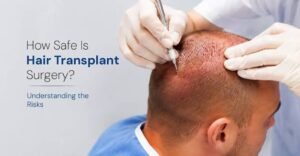
A hair transplant is a surgical procedure that moves hair follicles from a donor area, usually the back or sides of the scalp, to a recipient area affected by hair loss.
The procedure generally involves the following stages.
Step 1: Hair and Scalp Assessment
The surgeon evaluates your hair loss pattern, donor hair density, medical history, scalp health, and expectations.
Step 2: Hairline and Graft Planning
The medical team plans the treatment area and estimates the number of grafts that may be required. The plan should also consider possible future hair loss.
Step 3: Donor Hair Extraction
Follicular units are collected using the selected surgical technique. Local anaesthesia is generally used.
Step 4: Hair Graft Placement
The extracted follicles are prepared and placed into the recipient area, with attention to hair direction and distribution.
Step 5: Postoperative Care
The clinic provides instructions for scalp washing, activity restrictions, prescribed medicines, and follow-up visits.
A successful outcome depends on several factors, including patient selection, surgical planning, graft handling, healing, and the characteristics of the donor hair.
How Much Does Hair Restoration Treatment Cost in India?
The cost of hair restoration treatment in India depends on the type of treatment and the patient’s individual needs. Hair transplant surgery may cost more or less depending on the clinic, surgeon, technique, and number of grafts required.
Important factors affecting hair transplant cost include:
- Number of grafts required.
- FUE or FUT technique.
- Surgeon’s qualifications and experience.
- Clinic facilities and medical support.
- Complexity of the procedure.
- Preoperative assessment and postoperative follow-up.
Non-surgical hair loss treatments have different costs and may involve ongoing expenses.
If you are searching for affordable hair transplant treatment, hair restoration cost in India, hair transplant price per graft, or hair transplant consultation fees, request a personalized quotation from a qualified clinic.
Before making a decision, ask for a clear breakdown of the total cost and what is included. Avoid choosing a provider solely because it advertises the lowest price.
How Long Does It Take to See Hair Transplant Results?
Hair transplant results develop gradually rather than immediately after surgery.
During the initial recovery period, some redness, swelling, tenderness, or scabbing may occur. Transplanted hairs commonly shed within the first few weeks, which can be a normal part of the process.
New hair growth usually develops over several months. Many patients begin to see more noticeable improvement between six and twelve months, although the timeline varies and final results may take longer to assess.
Hair transplant before-and-after photographs can help illustrate possible outcomes, but results differ according to hair characteristics, donor supply, surgical technique, and individual healing.
No clinic can guarantee identical results for every patient. Your surgeon should explain realistic expectations and discuss the possibility of continued hair loss in untreated areas.
How to Prepare for a Hair Transplant
Preparation begins with a consultation and a clear understanding of the procedure.
Before surgery:
- Share your complete medical history with the surgeon.
- Discuss all medicines and supplements you take.
- Ask about the procedure, risks, and expected recovery.
- Follow the clinic’s instructions regarding food, medicines, and scalp care.
- Arrange transportation or assistance if recommended.
- Confirm the follow-up schedule and aftercare arrangements.
Do not stop prescribed medicines or start supplements without medical advice. Follow your surgeon’s individualized preoperative instructions.
Hair Transplant Aftercare Tips
Proper aftercare supports healing and helps the medical team monitor your recovery.
Follow Scalp-Washing Instructions
Wash your scalp only as directed by your clinic. Avoid rubbing, scratching, or disturbing grafts during the early recovery period.
Avoid Strenuous Activities When Advised
Your surgeon may recommend temporarily limiting strenuous exercise and activities that could affect the healing scalp.
Take Medicines as Prescribed
Use prescribed medicines according to your doctor’s instructions. Contact your clinic if you experience unexpected symptoms or side effects.
Attend Follow-Up Appointments
Follow-up visits allow your medical team to assess healing, answer questions, and monitor your progress.
Be Patient With Hair Growth
Hair restoration is a gradual process. Avoid judging the final result too early or comparing your progress with another patient’s timeline.
Seek medical attention if you develop worsening pain, fever, spreading redness, or other concerning symptoms after surgery.
How to Choose the Right Hair Restoration Clinic
Choosing a hair transplant clinic is an important part of your treatment journey. Research the medical team carefully before making a decision.
Verify medical qualifications: Check the surgeon’s registration, specialist training, and experience with hair restoration surgery.
Ask who performs the procedure: Understand the responsibilities of the surgeon and the rest of the clinical team.
Review the treatment plan: A qualified provider should assess your donor hair, the cause of your hair loss, and your long-term needs.
Understand the risks: Ask about scarring, infection, graft survival, possible complications, and what happens if results are unsatisfactory.
Compare transparent pricing: Request a written estimate and clarify the costs of consultations, surgery, medicines, and follow-up care.
Avoid unrealistic promises: Be cautious of guaranteed density, pressure-based sales tactics, and claims that one treatment works for everyone.
The right clinic should prioritize medical suitability, patient safety, clear communication, and realistic expectations.
Frequently Asked Questions About Hair Restoration
1. What is the best hair restoration treatment?
The best treatment depends on the cause and severity of hair loss. Some people benefit from medical treatment, while others may be candidates for hair transplant surgery. A professional assessment is necessary.
2. Is hair restoration the same as a hair transplant?
No. Hair restoration is a broad term that includes medical and surgical approaches to hair loss. A hair transplant is one specific surgical option.
3. Can hair grow back naturally after hair loss?
It depends on the cause. Some types of temporary shedding can improve after the underlying trigger resolves, while hereditary hair loss may require ongoing management.
4. Is a hair transplant permanent?
Transplanted follicles can provide long-lasting growth, but future hair loss may occur in untreated areas. Individual outcomes vary.
5. Is FUE hair transplant better than FUT?
Neither technique is best for everyone. FUE and FUT have different advantages and limitations, so the decision should be made after a clinical assessment.
6. How many grafts are required for a hair transplant?
The number of grafts depends on the size of the treatment area, donor hair availability, hair characteristics, and the desired coverage. The surgeon should estimate the requirement during consultation.
7. Can women get hair transplant surgery?
Some women may be suitable candidates. However, the cause and pattern of hair loss must be assessed before surgery is recommended.
Conclusion
Hair restoration treatment offers several options for people experiencing hair loss, including medical management and hair transplant surgery. Understanding the cause of hair loss, comparing FUE and FUT techniques, learning about cost factors, and preparing for recovery can help you make a more informed decision.
If you are considering hair transplant treatment in India, consult a qualified medical professional to discuss your condition, treatment alternatives, possible risks, and expected outcomes.
A personalized treatment plan, appropriate medical care, and realistic expectations are more important than choosing a clinic based on price or promotional claims alone.
